FOLLOWING OUR PASSION

Dive Sites of Coiba National Park

Coiba National Park is one of the most spectacular diving destinations in the Eastern Pacific, home to thriving marine life, pristine reefs, and dramatic volcanic topography. The park features more than 34 official dive sites, each offering its own mix of pelagic action, colorful coral formations, and unforgettable underwater scenery.

Dive Sites of Coiba National Park

Coiba National Park is one of the most spectacular diving destinations in the Eastern Pacific, home to thriving marine life, pristine reefs, and dramatic volcanic topography.

The park features more than 34 official dive sites, each offering its own mix of pelagic action, colorful coral formations, and unforgettable underwater scenery.

Thanks to our strategic location in Pixvae, Dive Base Coiba is the closest dive center to Coiba National Park—giving you the shortest boat rides and direct access to every dive site in the entire park. This means more time underwater, more site variety, and the flexibility to explore remote hotspots that other operators can’t easily reach.

Below you’ll find our dive site map, highlighting the main locations we explore. After the map, we’ll share our top sites, what makes each one unique, and what you can expect when diving with Dive Base Coiba.
1. Montaña Rusa

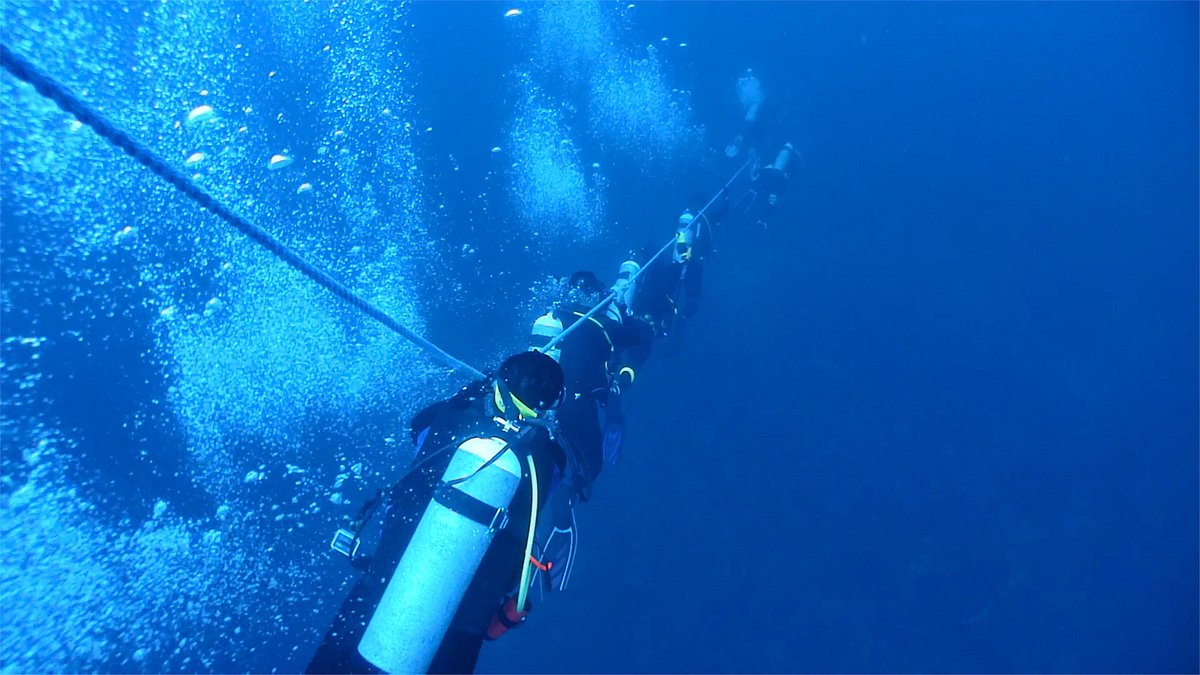
Hidden below the surface and completely unmarked from above, Montaña Rusa only reveals itself once you descend the anchor line to its 14-meter summit. From this shallow plateau, the structure drops away on all sides to depths beyond 40 meters, creating a striking, open-ocean landscape. Dives typically reach 32 meters, with careful monitoring of gas, current, and no- decompression limits before spiraling back up along the pinnacle.

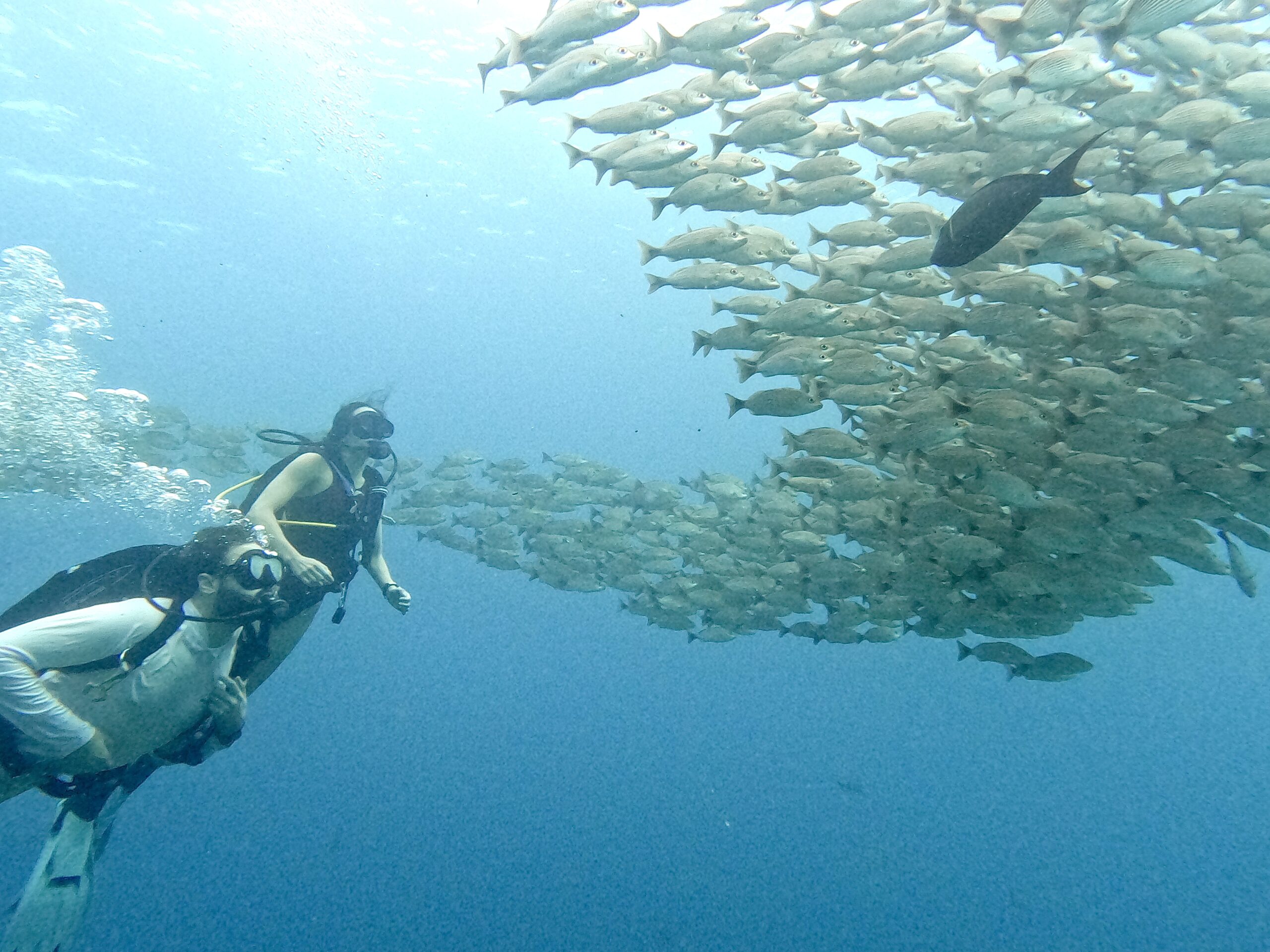
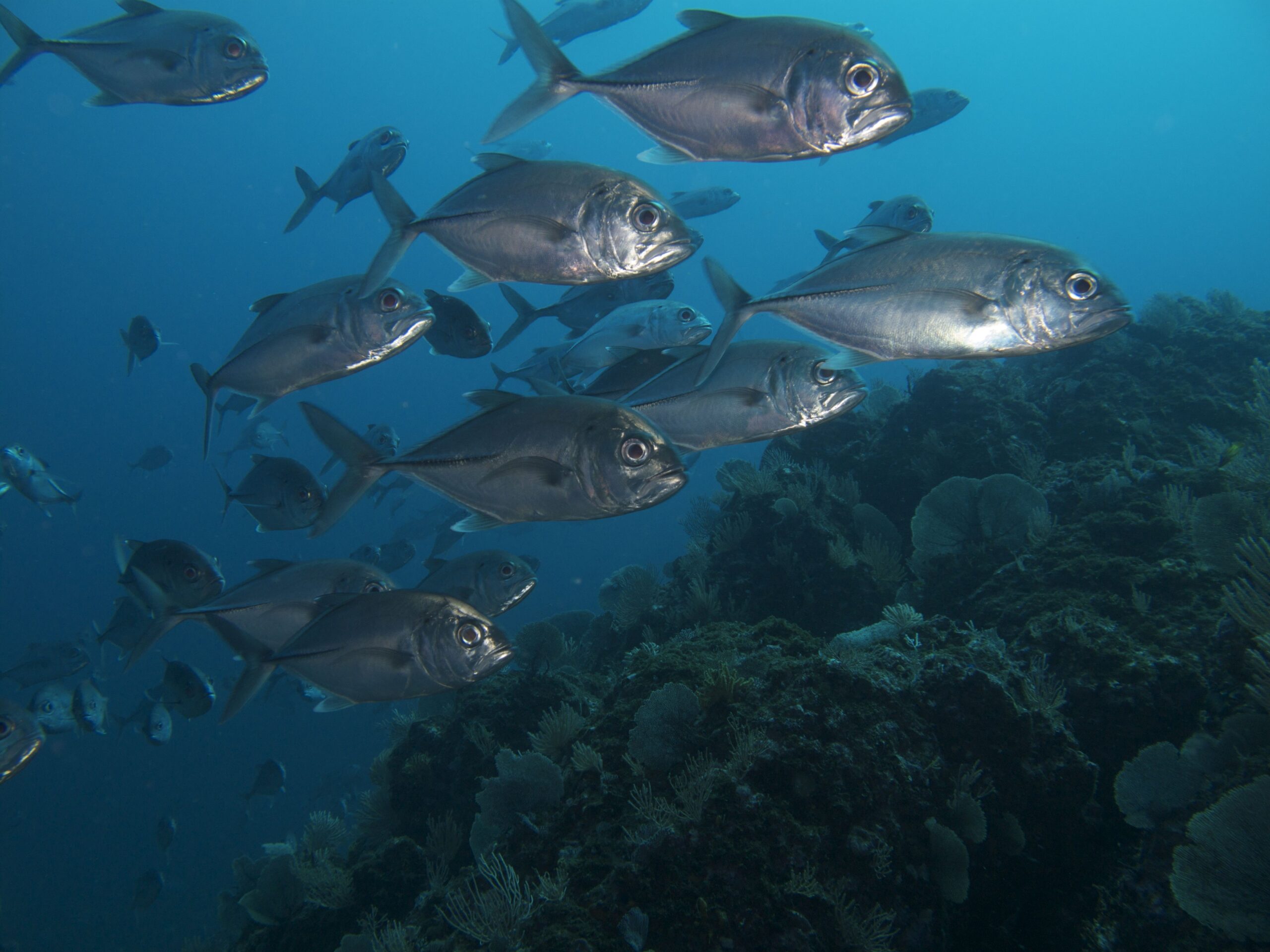
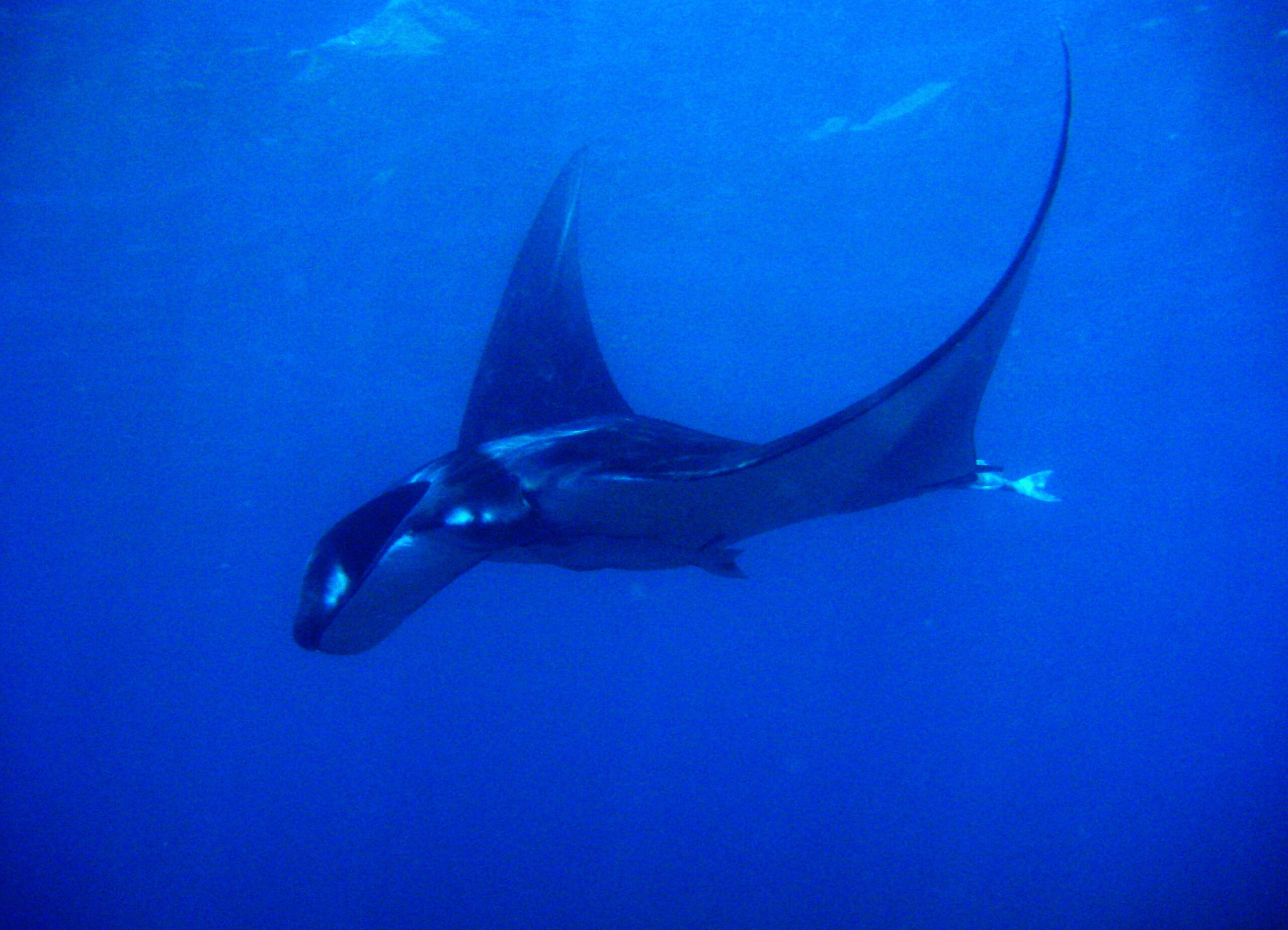
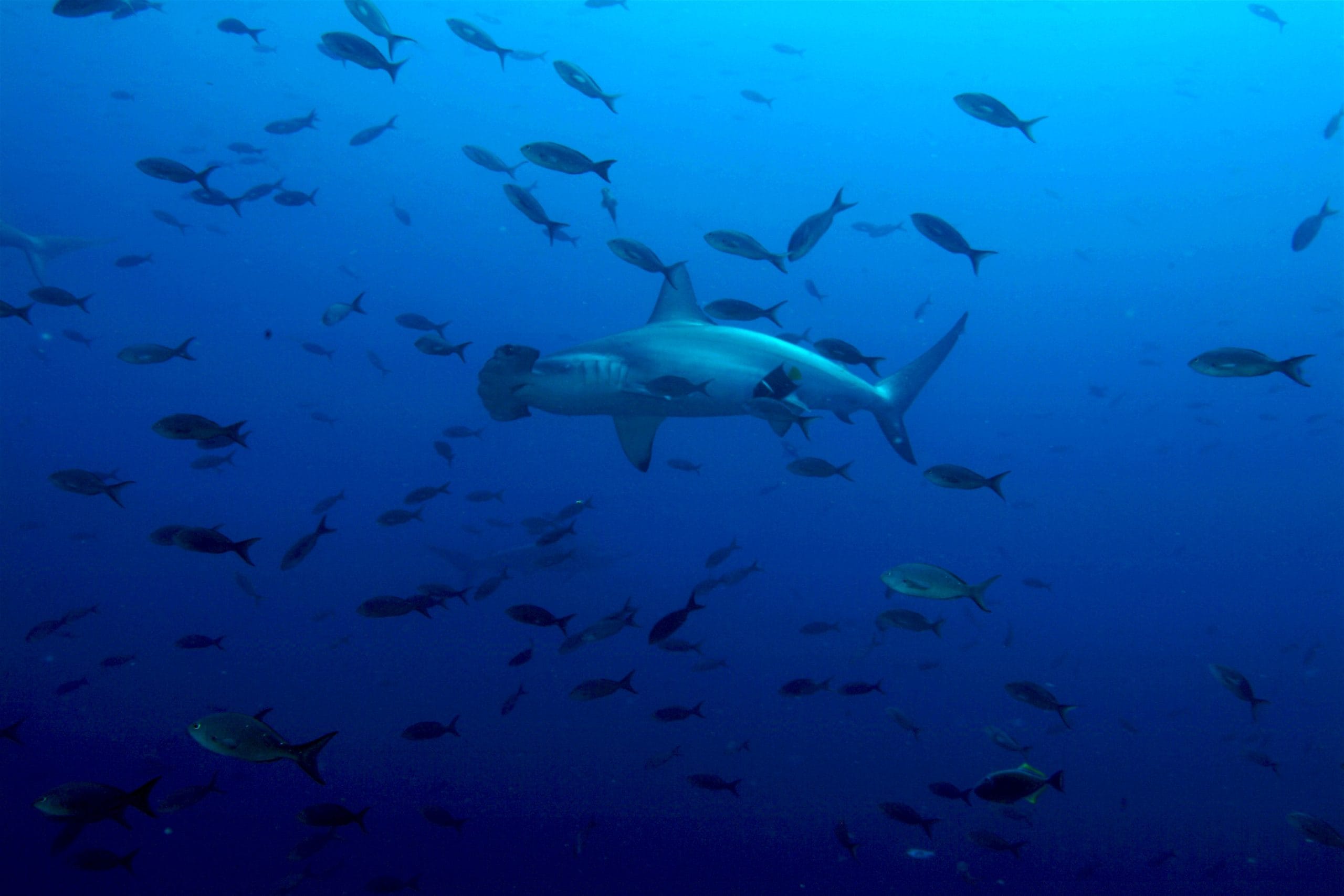
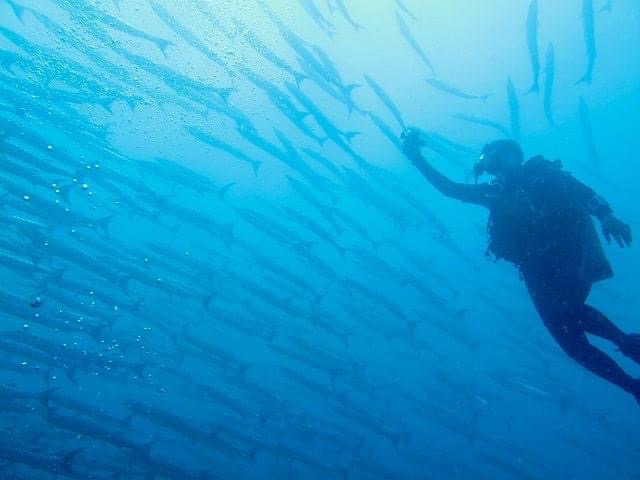
Because the site is fully exposed, strong currents and surge are common—and when the water is moving, the reef bursts with life. Large schools of dog snappers, Mexican barracudas, bigeye jacks, and bluefin trevallies sweep through in dense formations. Seasonal visitors such as longtail stingrays appear regularly, and lucky divers may encounter hammerheads, silky sharks, or even giant mantas gliding out of the blue. On the rocky bottom, groupers, snappers, gorgonians, and hard corals add texture and color to the terrain.

Montaña Rusa is an exhilarating dive that requires solid planning, excellent buoyancy, and the use of an SMB during ascent.

2. Sueño de Pescador (Fisherman’s Dream)

True to its name, Fisherman’s Dream is a site that often exceeds expectations. It lies along the same underwater ridge as Montaña Rusa, with a reef crest starting at just 8 meters before dropping sharply into depths beyond 40 meters. Exposed to the open ocean, the site experiences strong and shifting currents, making it ideal for confident divers who enjoy more energetic conditions.

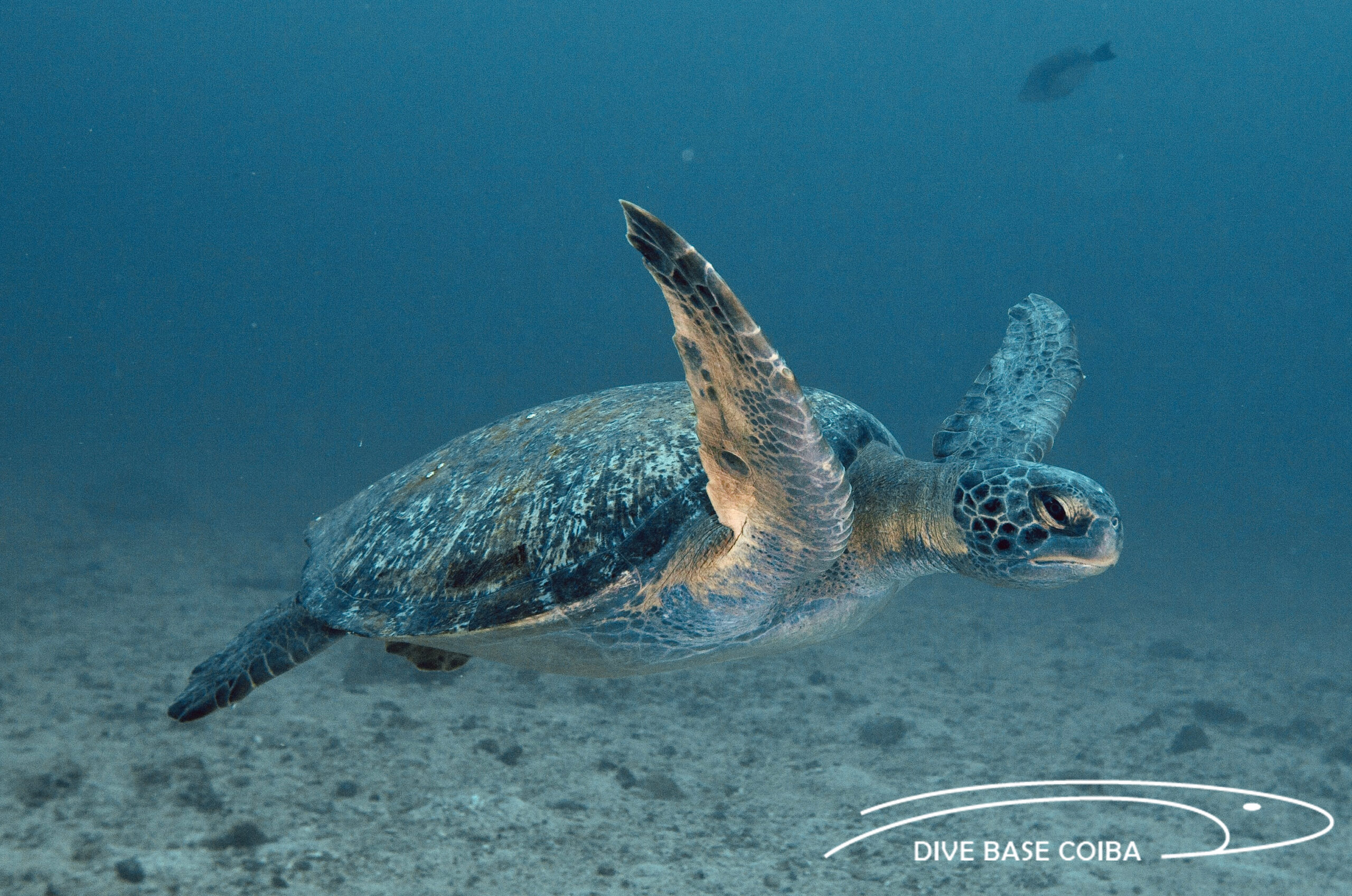
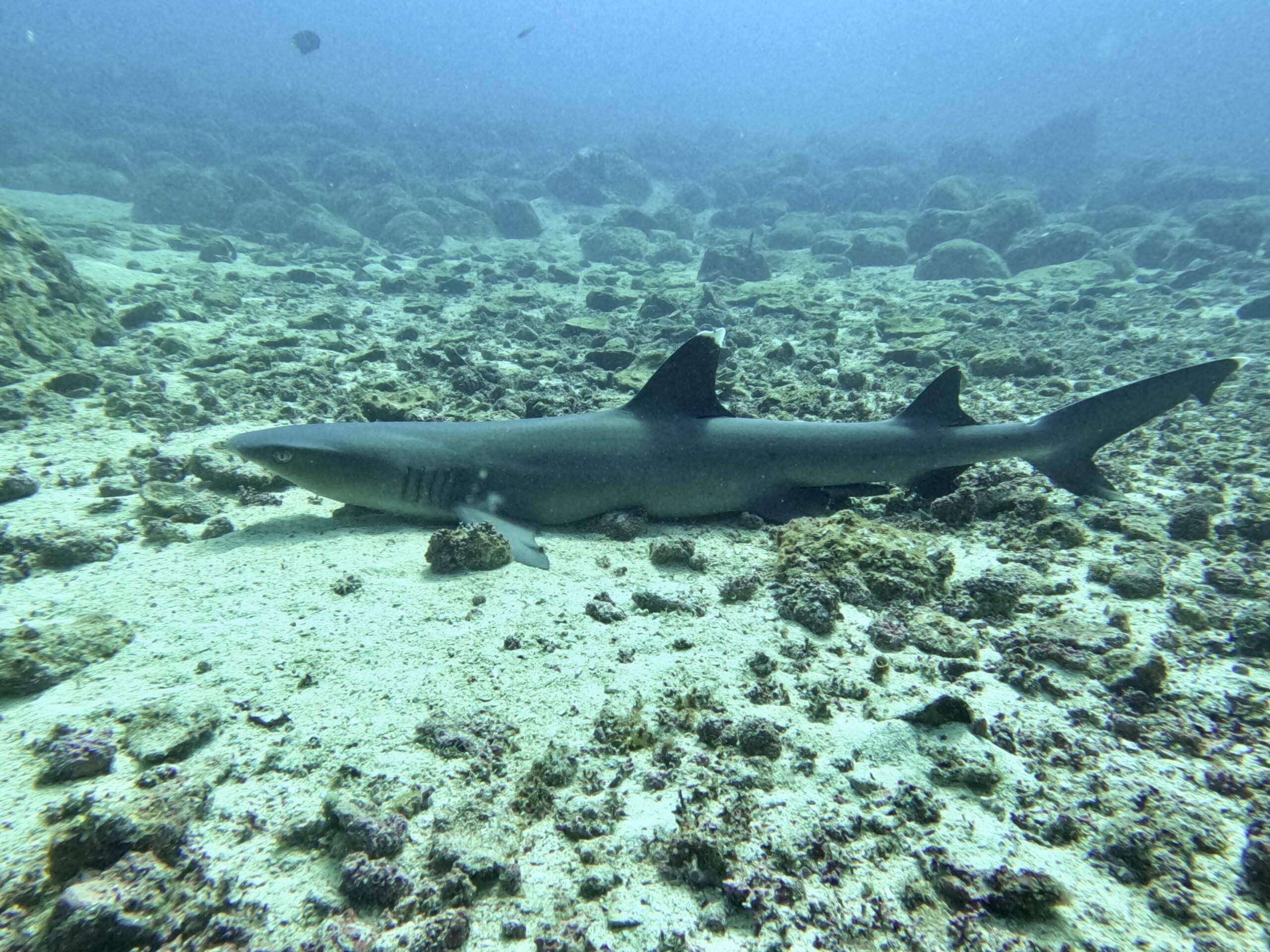
Large schools frequently sweep through the ridge—bigeye trevallies, Mexican barracudas, multiple snapper species, and hunting jacks. Turtles are common along the reef, while in the blue, divers may spot hammerheads, whitetips, or even giant mantas gliding past. One of the site’s standout features is a spacious cavern on the southern side at around 30 meters, where red snappers and resting whitetip reef sharks often gather.

3. El Dedo (The Finger)

El Dedo gets its name from an elongated rocky ridge whose shape resembles a fingertip. With depths reaching 40 meters and broad reef extensions, the site is fully exposed to surge, waves, and strong currents—making Nitrox highly recommended for extended bottom time.

Divers typically descend to around 9 meters before following the steep walls that drop well beyond recreational limits.

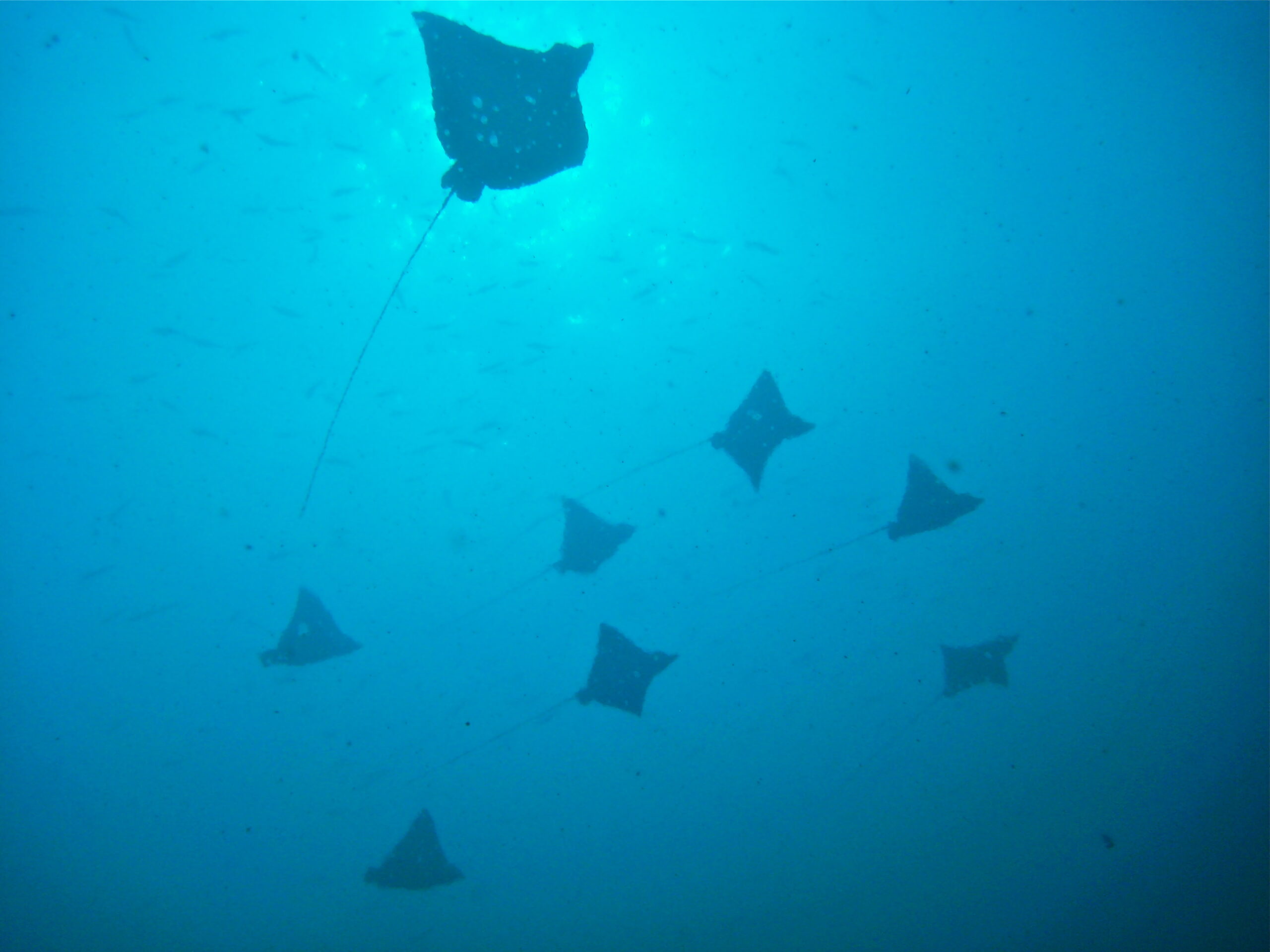
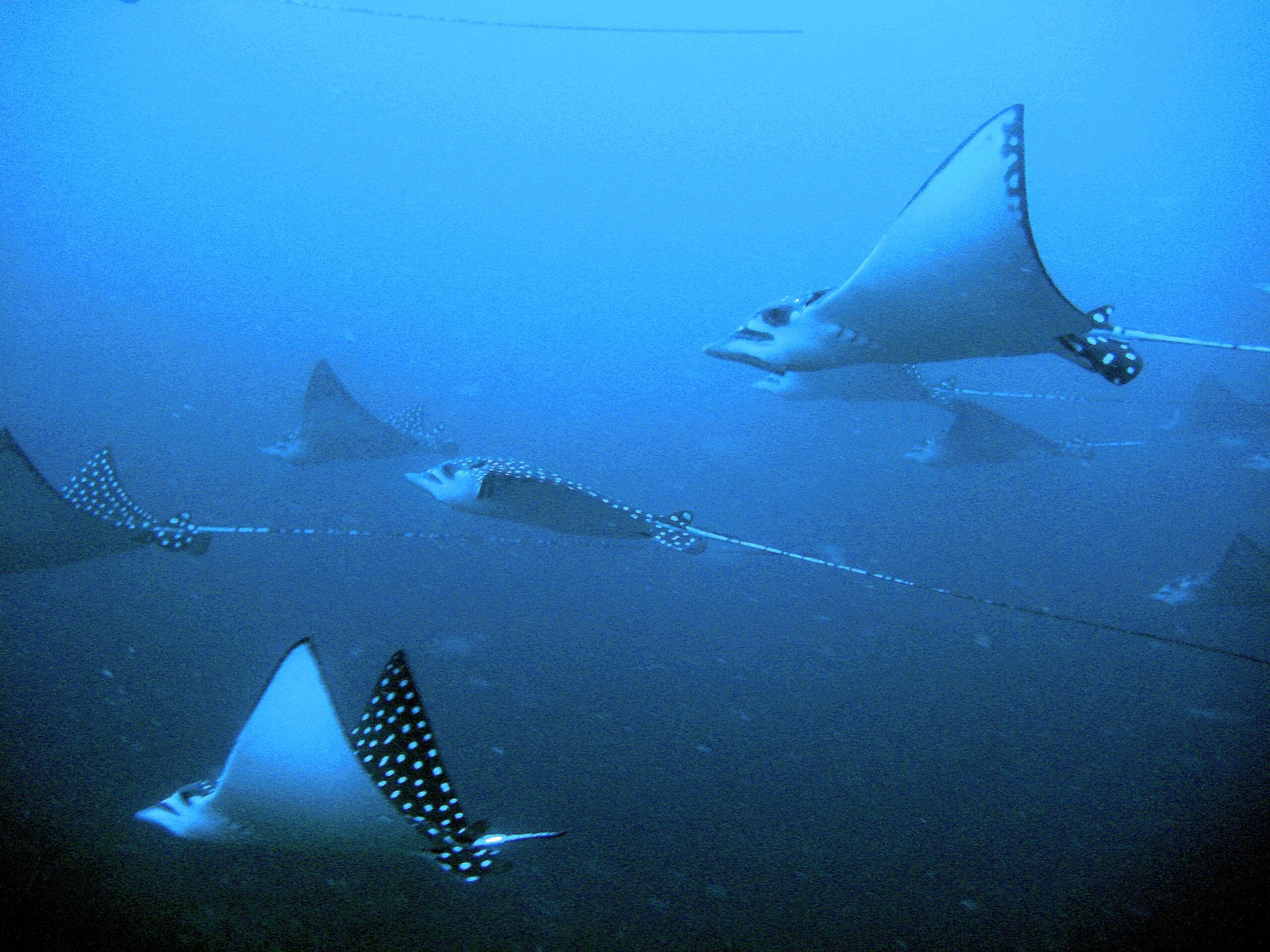
Marine life is abundant and diverse: large schools of snappers, jacks, and barracudas sweep across the ridge, while manta rays, eagle rays, bull sharks, whitetips, and the occasional hammerhead patrol the deeper water. Along the reef itself, moray eels, lobsters, and octopuses tuck into crevices and overhangs.
4. Contreras Ridge

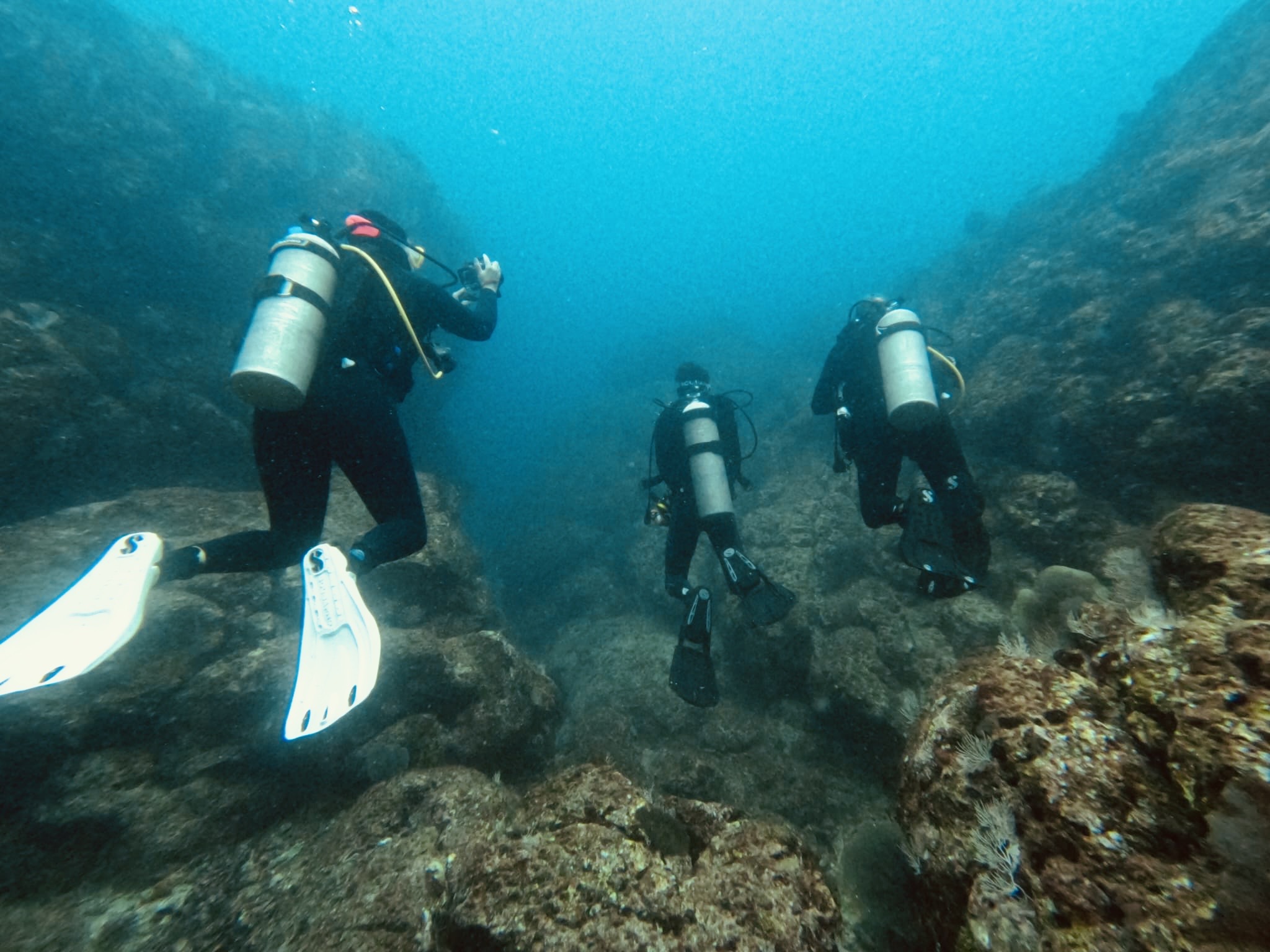
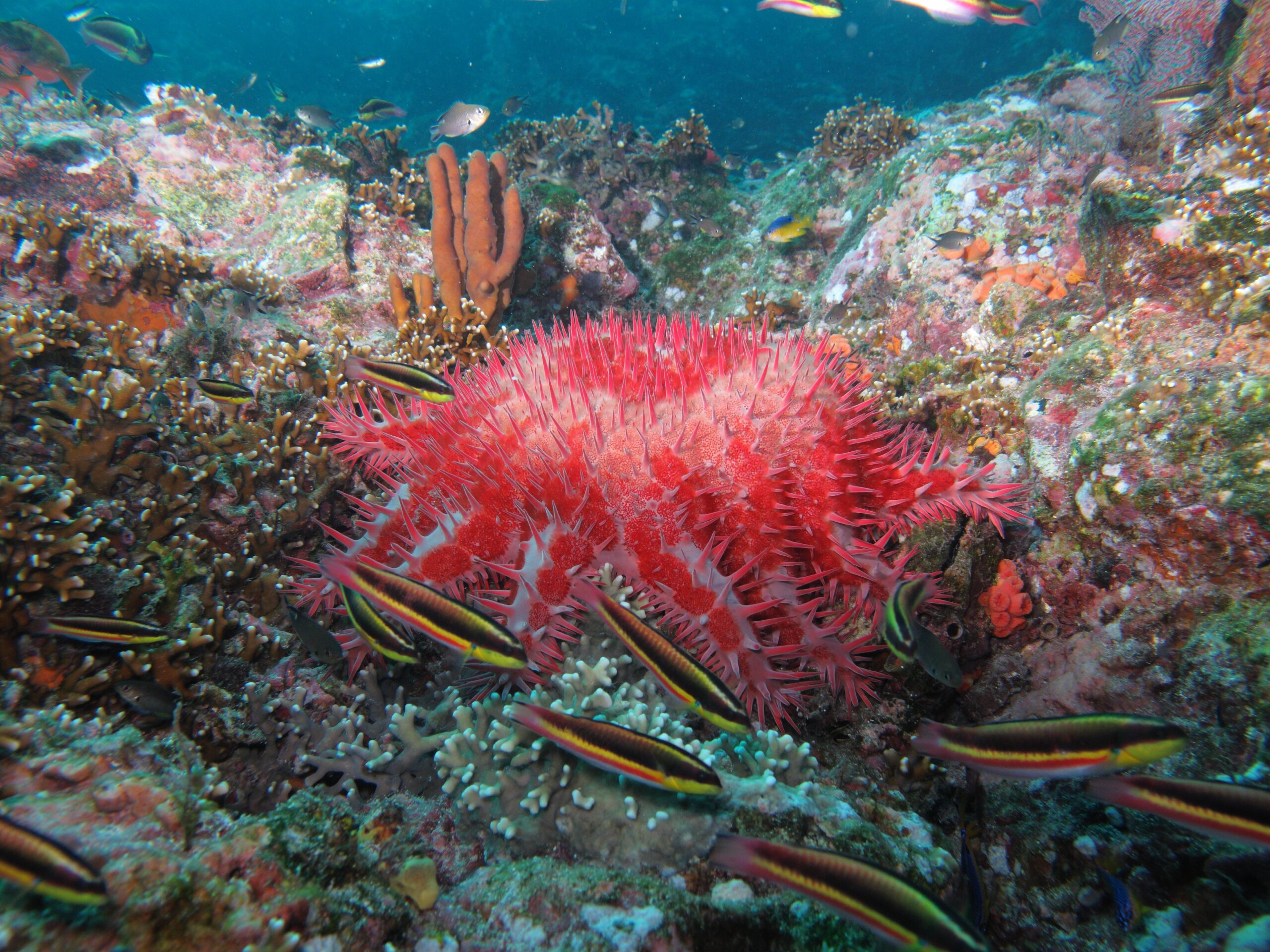
A dramatic stone ridge rising to just 9 m, this site is carved into channels and tunnels by years of wave action. Strong currents turn dives here into exciting drifts past schools of jacks, snappers, and barracuda.
Mantas, eagle rays, whitetips, and the occasional hammerhead or bull shark may appear. Rich coral growth and multiple cleaning stations add constant activity to the route.

5. Prosper Rock / Sombrero de Pelo

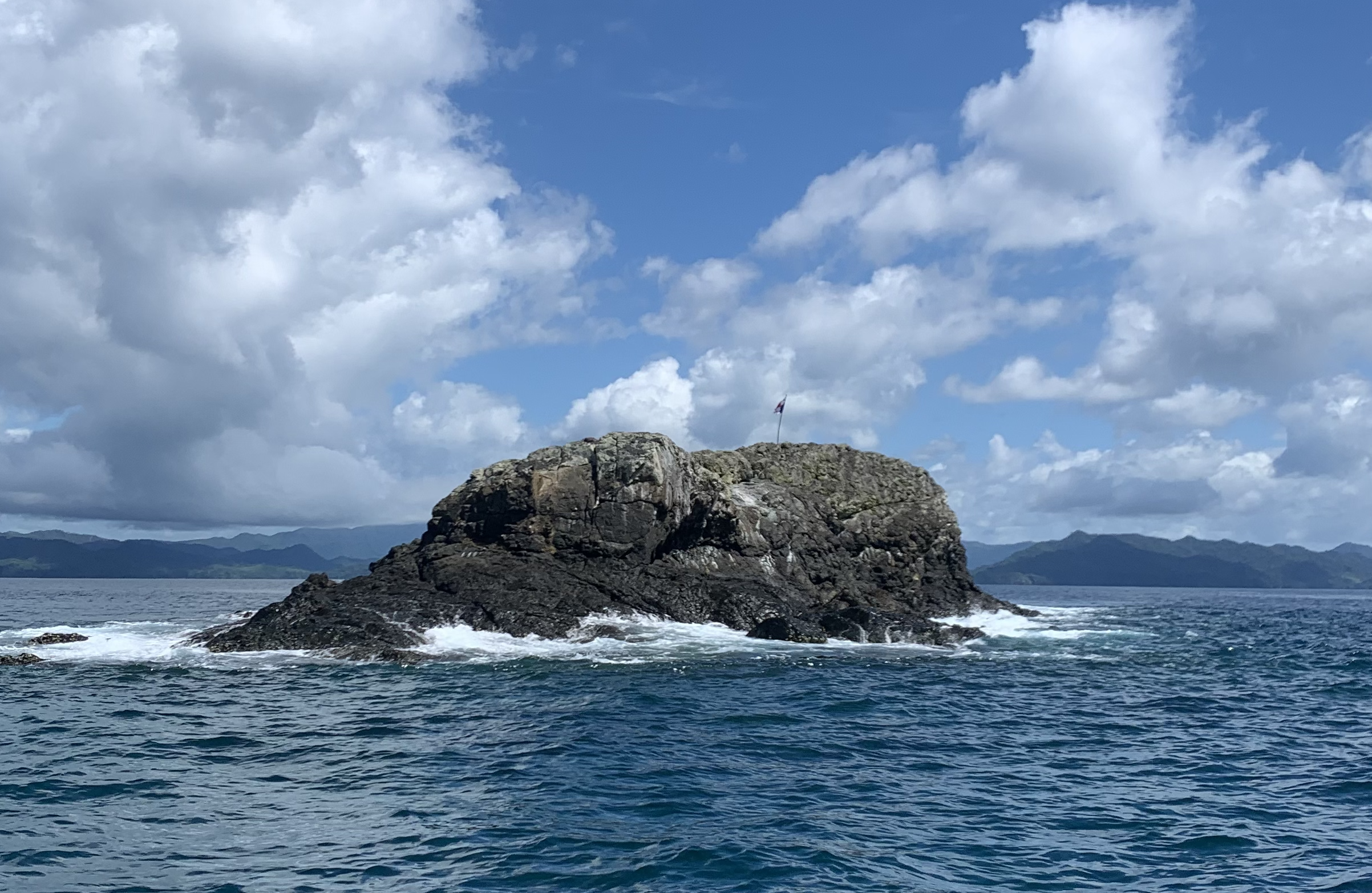
Sombrero de Pelo is the kind of site that always excites us. Even from afar, its rocky “hat” sticking out of the water hints that something special waits below. We descend along the anchor line to about 12 meters, arriving at a reef that invites exploration in every direction. To the west, a coral-lined channel forms a tunnel rich with hard corals, sponges, and cleaner fish. To the east, a broad terrace serves as a bustling cleaning station for larger predators. Life appears quickly and effortlessly: a white-tip reef shark gliding past, a turtle waiting around the next bend, spadefish gathering overhead while barracudas cut through and blend into schools of snappers. And on those lucky days, young hammerheads make a brief but unforgettable appearance.
Because the site is exposed to open ocean, currents can be strong—adding a welcome touch of adventure for divers who enjoy the natural pulse of the sea.
Follow the sandy-bottom channel and you’ll reach a small cave and a wall where large snappers gather. This deeper corridor is often visited by hammerheads and the graceful giant manta rays that glide by as though they own the place. Green turtles, groupers, and jacks complete the picture, making Sombrero de Pelo a dive filled with life, movement, and unforgettable moments.

6. Punta Peligro

You begin the dive from a small bay on the western side of Isla Brincanco, descending along a rugged ridge covered in vibrant gorgonian corals. As you follow the reef’s contours, barracudas glide past and schools of grunts move through the rocky passages. Now and then, a bull shark appears—either rising from the reef or drifting out of the blue—bringing a thrilling edge to the dive.
At about 25 meters, the reef opens into a wide sandy plain that stretches over 20 meters before dropping into deeper, unexplored water. Two pyramid-shaped rock formations rise from this area, sheltering resting nurse sharks and groupers beneath their ledges.
The dive concludes at the point of Brincanco Island, where the water grows livelier and the landscape shifts once more. With its depth, currents, and regular shark encounters, Punta Peligro is best suited for experienced divers using enriched air and comfortable diving alongside large predators.
View of Pixvae

7. Wahoo Rock

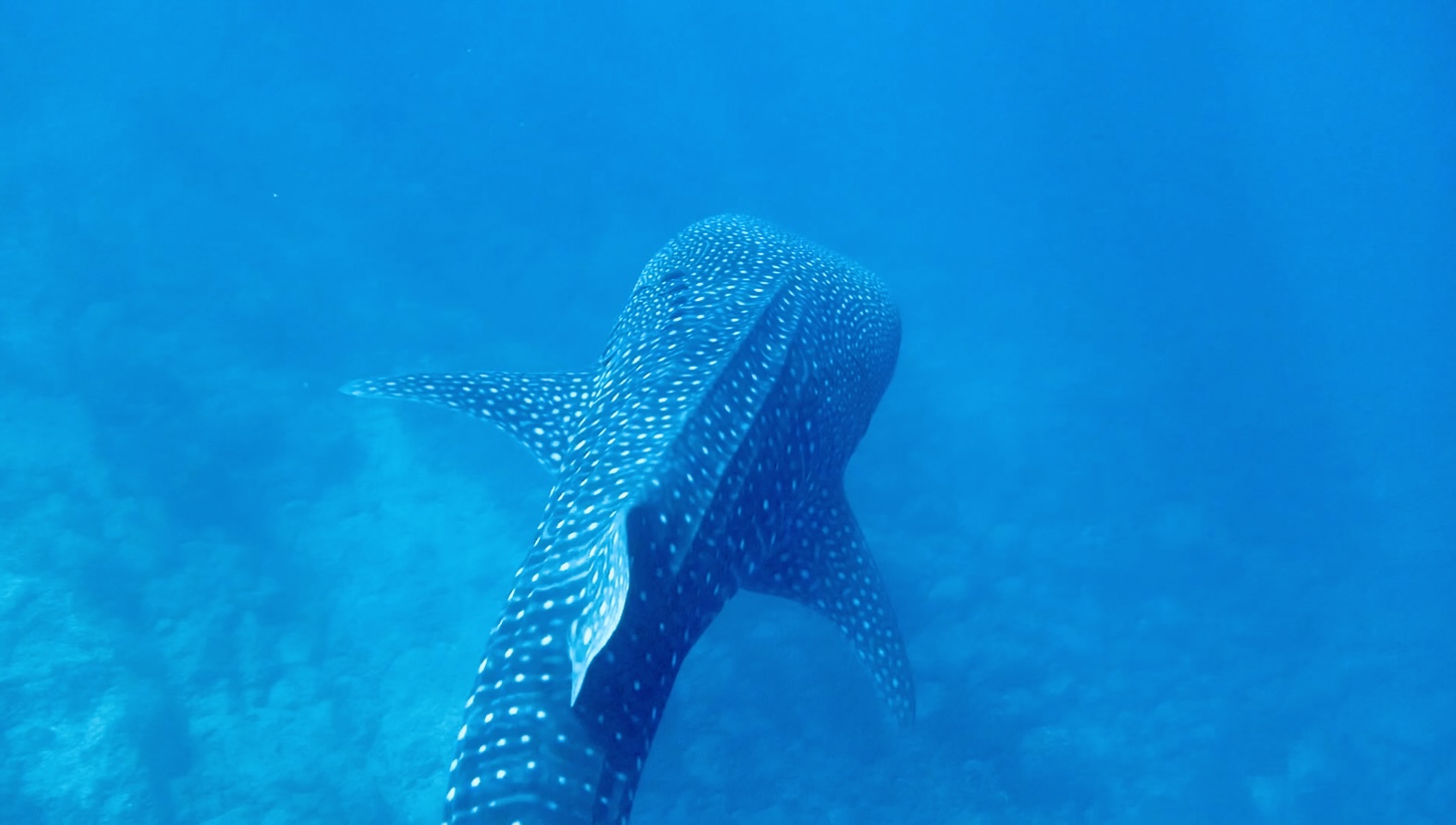
As you arrive at Wahoo Rock, the lone stone rising from the surface marks exactly where the adventure begins. Dropping beneath the waves, you enter a landscape of sandy patches and steep drop-offs. Currents—usually flowing from the east—carry clouds of plankton that draw in jacks, barracudas, spadefish, and on rare, lucky days, even whale sharks.
The dive starts around 45 ft / 13 m and slopes gently down to about 90 ft / 28 m. Along the southern side, you’ll pass two active cleaning stations where butterflyfish and other small cleaners flutter around turtles and groupers stopping in for a tune-up. At about 60 ft / 18 m, two large rock formations appear, often hosting resting whitetip reef sharks and massive green moray eels peeking from their crevices.
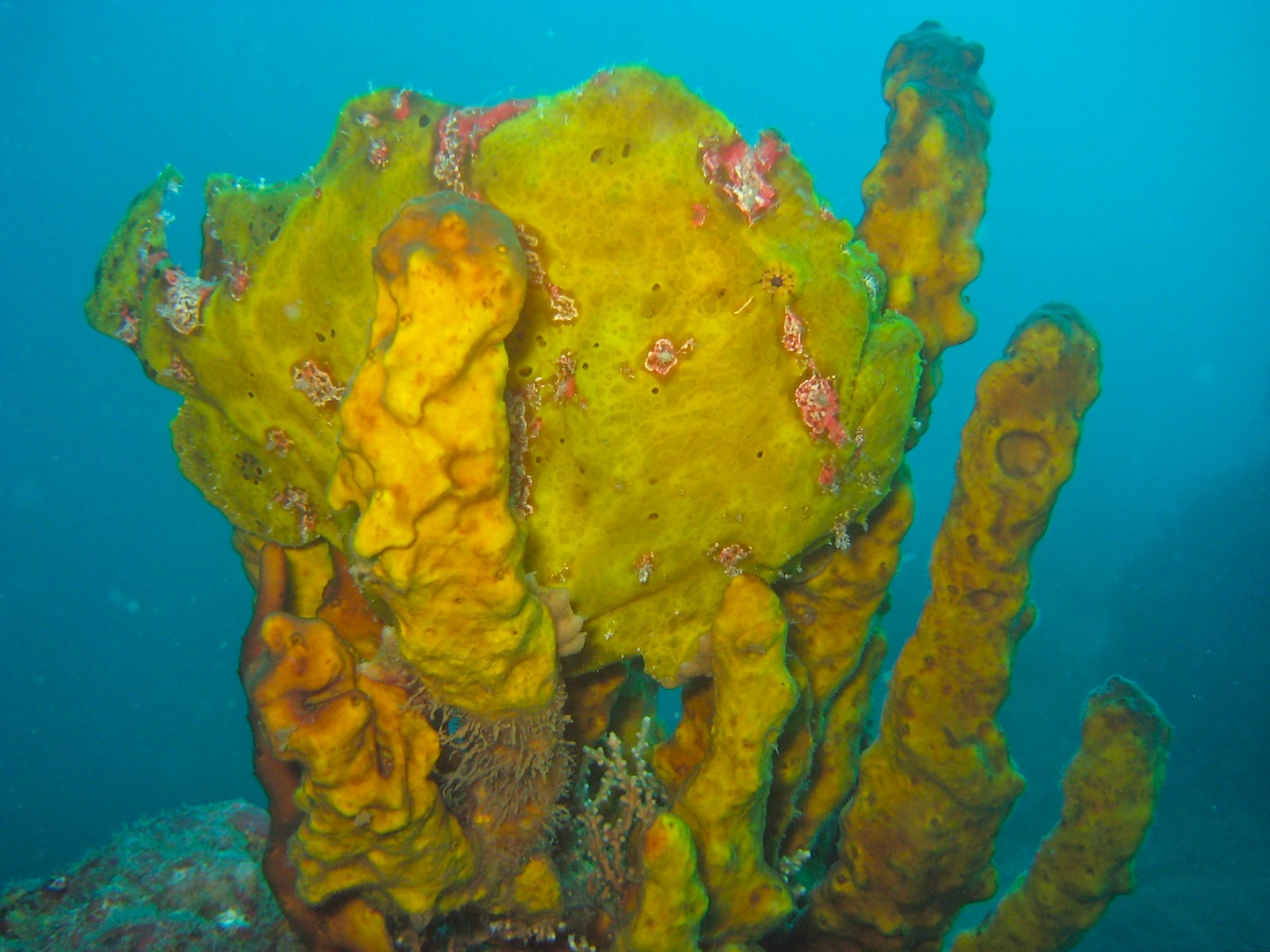
As you circle the island, the current softens and the water grows calmer—perfect for spotting hidden frogfish, roaming snappers, and, if the plankton blooms are right, the occasional whale shark feeding peacefully in the blue.

8. Faro

Faro sits on the exposed western tip of Isla Canales de Afuera, a lively site shaped by currents and rich marine life. The dive begins in a protected sandy area at about 8 m, giving divers a calm descent before moving into more energetic waters. As we continue, there’s always the chance— on lucky days—to spot bull sharks or oceanic blacktips cruising through the channel. The terrain soon shifts into a rocky reef covered in hard corals, sponges, groupers, turtles, and schools of reef fish. Bigeye jacks, Pacific dog snappers, barracudas, and mobula rays often gather here, and when plankton is abundant, manta rays and whale sharks may pass by. The dive finishes with a unique highlight: a narrow hallway of rock that we swim through one at a time, where whitetip reef sharks often rest quietly in the sand.
Buzos en coiba
View of Pixvae

9. Bajo Joshua

Set in the channel between Isla Canales Afuera and Ranchería, Bajo Joshua is a deep, current- swept site known for spectacular pelagics. The dive starts with a descent to 28 m / 90 ft, where the shallowest part of the reef meets three impressive pinnacles rising from 45 m / 150 ft of water. Strong currents and colder temperatures at depth make this a short but thrilling dive, usually ending with a blue-water ascent.

10. Bajo Piñón

Bajo Piñón is one of those sites that quickly becomes a favorite—easy to navigate, full of life, and great for both beginners and seasoned divers. The reef runs from 6 to 22 meters, with spaced-out rock formations that create multiple routes and plenty of hideouts for marine life. As you explore, you’ll see vibrant schools of reef fish, moray eels tucked into crevices, and the occasional turtle or shark resting on the sand. Barracudas, bigeye jacks, and bluefin trevallies often sweep through in powerful bursts. And because Coiba always delivers surprises, it’s worth keeping an eye on the blue—mantas and whale sharks occasionally pass when plankton blooms. During whale season (July to November), the experience becomes even more special as the haunting songs of humpback whales echo through the water, adding a natural soundtrack to the dive.
Buzos en coiba
View of Pixvae

11. Buffet

Buffet lives up to its name—this site is an all-you-can-see feast of marine life and one of the true highlights of Coiba. The descent along the buoy line brings you to 13 m, where the reef begins and extends revealing a landscape of rocky formations buzzing with activity. As you explore these structures, you’re likely to encounter small groups of whitetip reef sharks resting in the sand, moray eels tucked into crevices, and sleek schools of barracuda cruising by. Various species of jacks weave through the scene, and the final cluster of rocks often feels like a chaotic underwater arena—bursting with color, movement, and countless fish interactions. With a bit of luck, bluefin trevallies or whitetip sharks may swoop in to hunt, creating moments of pure 4 excitement. And just when you think Buffet couldn’t offer more, manta rays or even whale sharks sometimes glide through, adding a touch of magic.

12. Punta Deseo

Punta Deseo—“Wish Point”—often lives up to its name, delivering exactly the kind of encounters divers hope for. The dive begins in a sandy area at about 6–7 meters, an ideal depth for Discover Scuba Divers and Open Water students exploring the shallow reef. Certified and more experienced divers can continue down to 18 meters, where the reef becomes richer and the marine life more active. In this first section, it’s common to see sharks resting in the sand and turtles grazing along the reef, completely unbothered by our presence. The atmosphere is calm and full of subtle marine life moments. Crossing a long stretch of flat sand brings us to the second part of the site—a deeper rock formation reaching 22 meters. When currents are favorable, plankton gathers here, transforming the area into a feeding zone where, if you’re lucky, whale sharks may appear for a quick snack.
Buzos en coiba
View of Pixvae

13. Don Juan

Don Juan is the perfect dive site for beginners or anyone building confidence, thanks to its wide sandy areas on both sides of the reef—no coral to worry about damaging, just clear views of a lively, shallow ecosystem. The descent is easy and tops out around 16 meters, where colorful snappers, schools of reef fish, and a resident group of bigeye jacks bring the site to life. Located between Coiba Island and Ranchería, Don Juan is known for its abundance of marine life and always-interesting conditions. Some days the current is calm, other days more energetic, but the encounters remain exciting: nurse sharks resting on the sand, turtles cruising along the reef, and plenty of jacks and other reef fish moving through the area. Cleaning stations add even more activity, making every dive feel unique.

14. La Viuda

La Viuda is a dramatic and demanding dive site where two tall pinnacles rise from the depths, nearly reaching the surface at 35 feet (13 m). You descend into a valley between them at 65 feet (20 m). The southern pinnacle drops steeply past 130 feet (40 m) into a stunning gorgonian garden, while the northern one forms a rocky plateau with boulders and small caves. Strong currents often sweep through, so this site is best enjoyed around the tide change—challenging, but incredibly rewarding. The marine life here is just as impressive. Huge schools of bigeye jacks and Mexican barracuda circle the pinnacles, while whitetip sharks rest in the channel below. With luck, hammerheads and giant mantas appear from the blue.
Buzos en coiba
View of Pixvae

15. Iglesia (The Church)

Is one of Coiba’s most biodiverse dive sites, especially when a bit of current brings the reef to life. The dive begins around 9 meters, where scattered rock formations rise from sandy terraces and channels that drop gently toward 30 meters, offering a beautiful range for both shallow and deep divers. The northern side even rises to just 2 meters, creating a small island at the tip. This maze of stones, sand, gravel, and coral habitats hosts an impressive cast of marine life: healthy populations of whitetip reef sharks, cruising turtles, and plenty of moray eels—both green and peppered. Schools of barracuda, bigeye jacks, snappers, machetes, and spadefish often sweep through, while octopus, scorpionfish, frogfish, and even seahorses hide among sponges and hard corals.

16. Isla Frijoles

Isla Frijoles is a circular dive that follows the island’s submerged slope, moving clockwise or counterclockwise depending on the current, along sandy bottoms that drops and transition into terraces of large rocks. With good conditions it’s possible to complete a full loop, and the most productive areas are the eastern and western points, where schools of barracuda, jacks, and spadefish gather. Whitetip reef sharks are common both in the shallow sand and deeper sections, while the protected southern side—sheltered from swell and current—hosts turtles, additional whitetip sharks, and two active cleaning stations filled with wrasses, damselfish, and butterflyfish.
Buzos en coiba
View of Pixvae

17. Frijoles Ridge

Frijoles—named after the shape of its rocky formations—starts with a descent to about 10–11 meters, where divers can choose to explore the shallow reef or follow the gravel-covered sand channels toward the deeper reef that drops beyond 25 meters and down to about 33 meters. Massive boulders stack into long terraces with cracks, small caves, hard corals, and sponges, creating cleaning stations for bigeye jacks and spadefish, while the southern side hosts seahorses, frogfish, moray eels, jacks, barracuda, and spadefish.

18. La Estrella (Aladdin’s Rock)

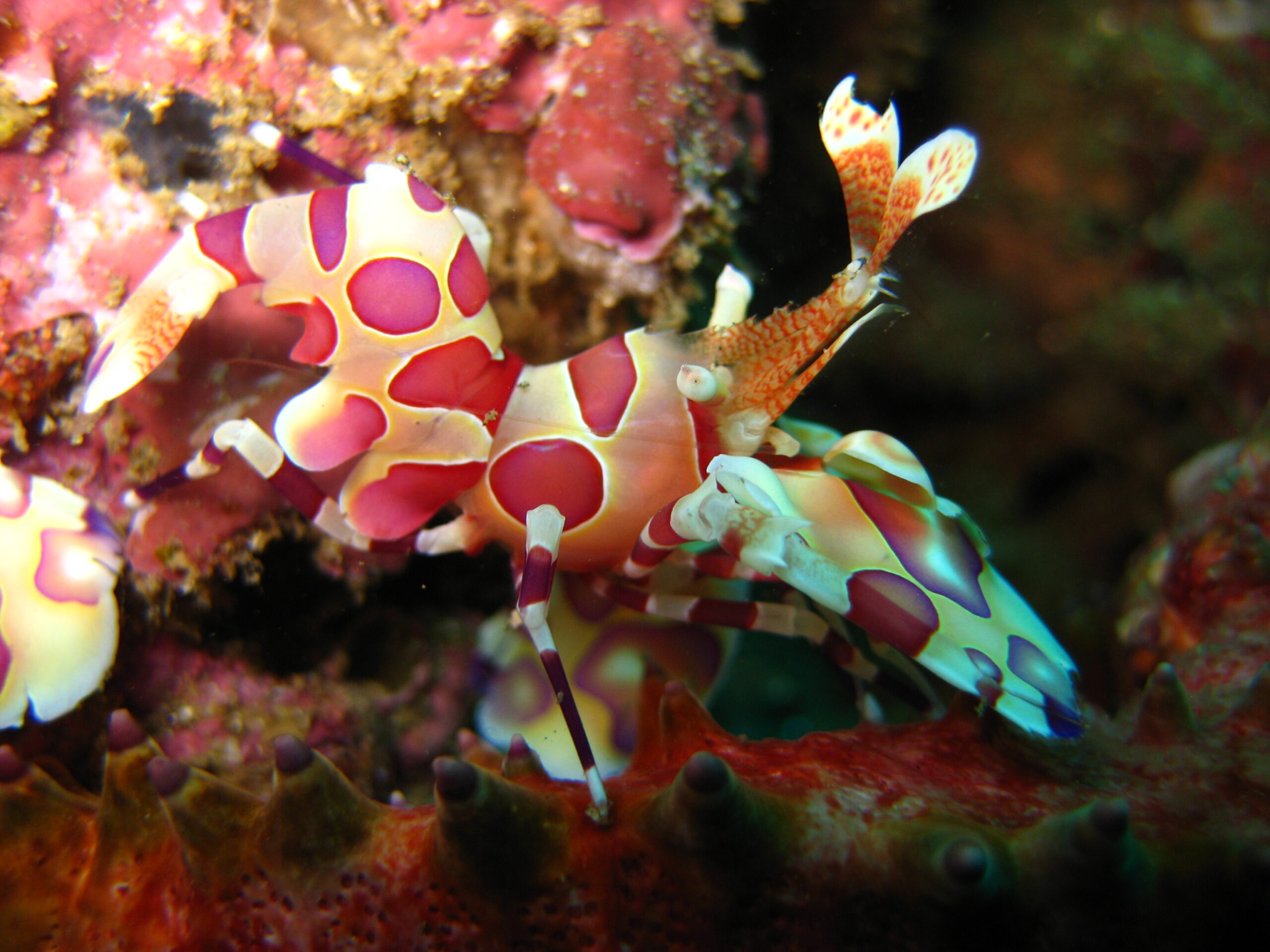
La Estrella (Aladdin’s Rock) is a calm, easy-to-navigate dive that starts with a shallow 15-foot (5 m) descent onto rocks hidden at high tide. The southern slope drops to 80 feet (25 m), while the eastern and northern sides rise into sandy patches and big boulders, creating a relaxed terrain of terraces and gentle ledges rarely affected by swell or current. Along the way, you’ll find large snapper, schools of shovelnose fish and jacks, whitetip reef sharks, green turtles, rays, octopus, and lobsters tucked into crevices. The shallow reef hosts hard corals, frogfish, seahorses, and—if you’re lucky—the site’s star attraction, the harlequin shrimp.

19. Twin Peaks

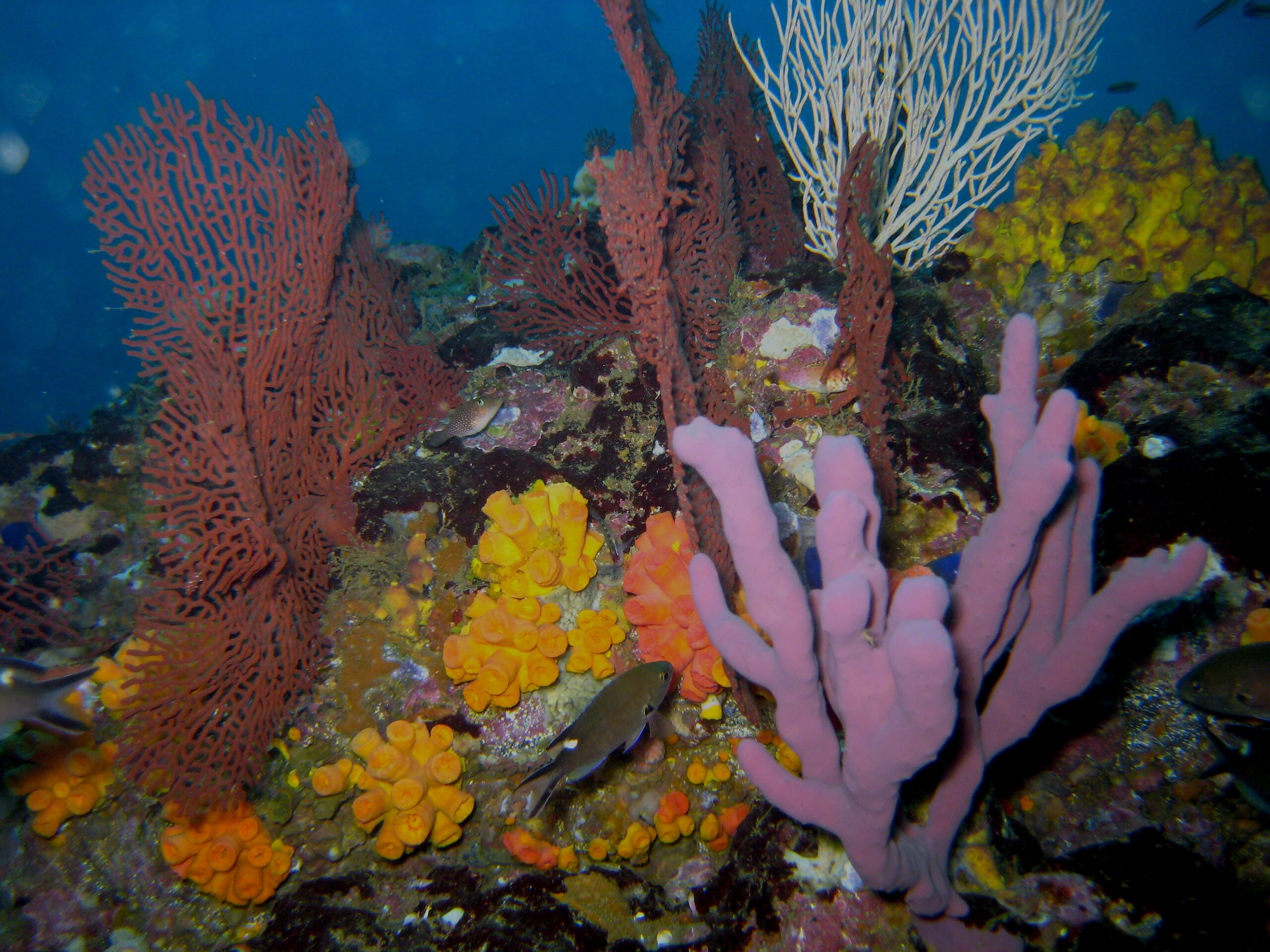
Twin Peaks is one of Coiba’s most stunning dive sites, famous for its lush underwater scenery and vibrant marine life. The two rocky pinnacles are covered in gorgonian corals, sea fans, sponges, and healthy hard corals, creating a colorful underwater landscape full of hiding spots and small treasures like frogfish, seahorses, and green and pepper moray eels. Deeper areas often hold schools of barracudas and jacks, while the site’s resident whitetip reef sharks glide calmly along the reef. Twin Peaks is also known for spectacular big-animal encounters—giant manta rays frequently pass through, and during the right season, even whale sharks may appear, making this site a true Coiba highlight.

20. Jacob’s Ladder

Jacob’s Ladder sits on the edge of Coiba’s deep offshore waters, offering one of the park’s most exciting dives. A lone pinnacle rises to 16 m (50 ft) before dropping steeply past 40 m (130 ft), its surface covered in distinctive white gorgonian corals. The site draws abundant marine life. Whitetip reef sharks are common, while Galapagos sharks, hammerheads, whale sharks, and various rays—eagle rays, giant mantas, and devil rays—often pass through. Schools of jacks, snappers, and barracudas bring constant activity around the structure. Because it is fully exposed, currents can shift quickly, making this a challenging dive suited to experienced divers. On rare days, divers may spot marlin, sailfish or even the elusive sawfish.

Contact Us

Fill out the form below and we will contact you as soon as possible